There is a difference between receiving a massage and receiving deeply attentive bodywork.
Most people have experienced technique.
Pressure.
Movement.
A sequence.
A routine.
But very few people have experienced touch that is truly responsive.
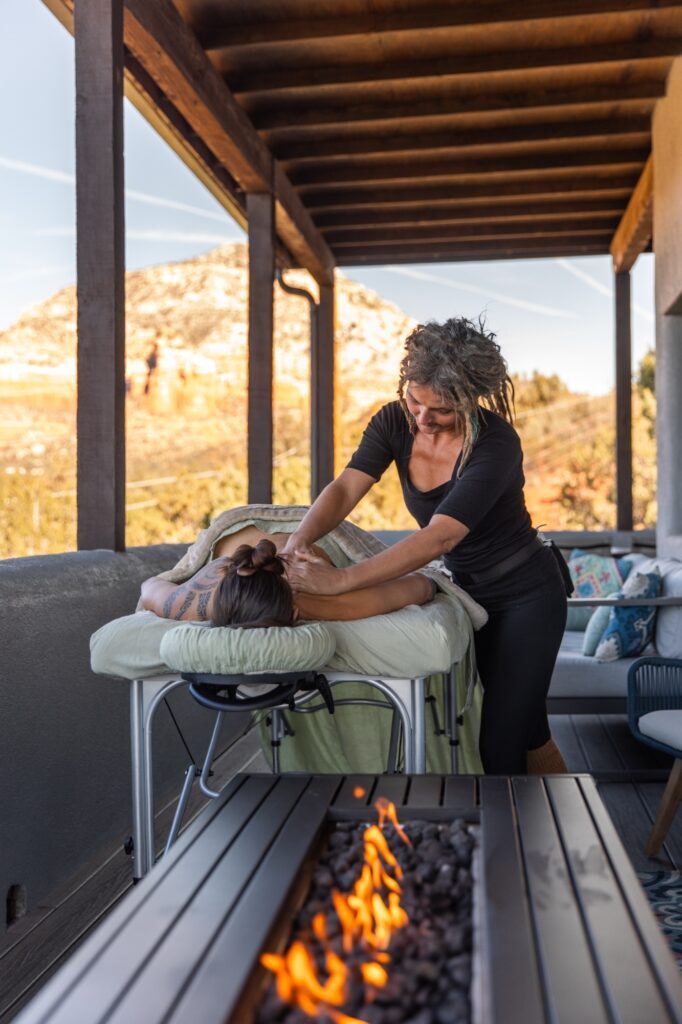
The body notices the difference immediately.
Not because the nervous system is analyzing technique, but because it is constantly assessing presence, pace, safety, and attentiveness.
Many wellness experiences are built around performance.
The therapist performs relaxation.
The environment performs luxury.
The experience performs care.
But the body responds to what is real.
It responds to whether someone is actually listening.
Deeply attentive bodywork is not rigid. It is relational.
It changes in real time.
The pace changes.
The pressure changes.
The stillness changes.
The practitioner is not forcing a routine onto the body. They are paying attention to what the body is already communicating.
Sometimes what creates the deepest shift is not more pressure.
Sometimes it is finally feeling like the body no longer has to brace against being overlooked.
Many people have normalized rushed touch.
Transactional touch.
Overstimulated environments.
Practitioners moving too quickly.
Spaces that feel beautiful but emotionally inattentive.
And because it is common, people often assume that is simply what bodywork is supposed to feel like.
But when someone experiences true attentiveness for the first time, the body often responds before the mind can explain why.
Breathing changes.
Guarding softens.
Time slows down.
The nervous system begins reallocating energy away from monitoring and toward restoration.
This is part of why some sessions stay with people long after they end.
Not because of memorized techniques, but because the body remembers experiences where it no longer had to remain vigilant.
Deep restoration rarely comes from intensity alone.
It comes from responsiveness.
From emotional steadiness.
From pacing.
From precision.
From feeling genuinely taken care of.
Many people do not need more stimulation.
They need environments, experiences, and practitioners capable of creating enough safety for the body to finally stop anticipating interruption.
That is a very different kind of work.